

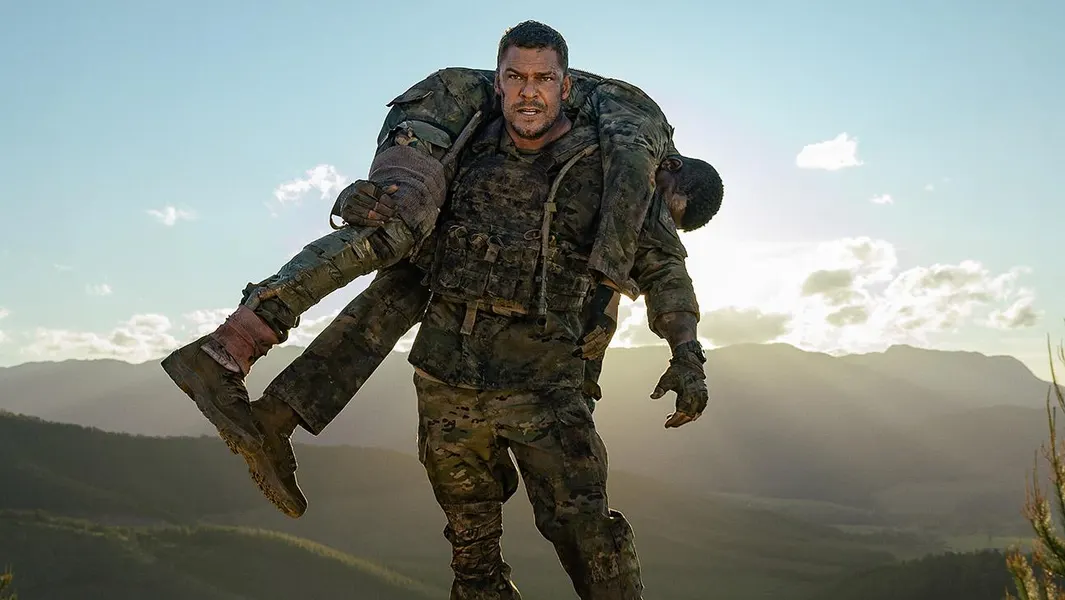
The Strategic Evolution of Satire and Conflict Cinema: Analyzing the Impact of Netflix’s War Machine
The landscape of contemporary cinema has undergone a seismic shift, driven primarily by the aggressive expansion of subscription video-on-demand (SVOD) services into high-budget original production. Among the most notable entries in this digital-first cinematic era is War Machine, a film that serves as both a biting critique of military-industrial complexities and a case study in the strategic curation of content. As audiences conclude their engagement with this specific narrative, the underlying demand for sophisticated, thematic storytelling remains high. The success of such productions is not merely measured in viewership metrics, but in their ability to foster a broader intellectual dialogue regarding institutional inertia and the nuances of geopolitical strategy.
War Machine, inspired by the non-fiction work The Operators by the late Michael Hastings, represents a significant investment in the “prestige satire” genre. By blending the absurdity of bureaucratic overreach with the grim realities of modern insurgent warfare, the film challenges the viewer to look beyond the tactical surface of international relations. This analytical report examines the thematic depth of this genre and provides a curated roadmap for viewers seeking to deepen their understanding of political and military dynamics through the lens of high-caliber filmmaking.
The Structural Mechanics of Modern Military Satire
At its core, War Machine functions as an examination of the “Great Man” theory of history, deconstructed through the lens of modern counter-insurgency. The film’s portrayal of a fictionalized General Glen McMahon captures the friction between high-level policy objectives and the localized reality of conflict. This tension is a recurring theme in expert-level political discourse, where the disconnect between the “command and control” centers and the “boots on the ground” often leads to strategic stagnation. The film utilizes satire not as a tool for levity, but as a scalpel to expose the hubris inherent in centralized planning and the rigid hierarchies of global superpowers.
From a business perspective, Netflix’s decision to greenlight such a polarized and intellectual narrative underscores a broader strategy: the acquisition of “cultural capital.” By funding projects that traditional studios might deem too risky or too niche for wide theatrical release, streaming platforms position themselves as the modern patrons of serious, thought-provoking cinema. This shift allows for the exploration of complex themes,such as the ethics of drone warfare, the privatization of military contracts, and the psychological toll of long-term deployment,without the constraints of a standard blockbuster formula.
Strategic Recommendations: Curating the Post-War Machine Catalog
For those who found the thematic resonance of War Machine compelling, the current streaming ecosystem offers several titles that expand upon these concepts of institutional failure, political theater, and the human cost of conflict. The following five films represent a diversified approach to these subjects:
1. The Big Short: While primarily focused on the 2008 financial crisis, this film shares the same DNA as War Machine in its use of hyper-stylized satire to explain complex, systemic failures. It highlights how institutional blindness and a lack of accountability can lead to global catastrophe, making it a perfect thematic companion for students of organizational behavior and economic history.
2. The Siege of Jadotville: This film offers a more grounded, historical perspective on the complexities of UN peacekeeping missions. It focuses on the tactical realities of a small Irish commandant in the Congo during the early 1960s, illustrating the abandonment of soldiers by the very political entities that deployed them,a theme that echoes the frustrations presented in War Machine.
3. All Quiet on the Western Front: For a visceral, unvarnished look at the cost of war, this Academy Award-winning adaptation provides an essential counterpoint to satire. It strips away the bureaucratic absurdity and replaces it with the brutal reality of industrial-scale attrition, reminding the viewer of the stakes involved when diplomatic and military strategies fail.
4. The Trial of the Chicago 7: Shifting from the battlefield to the courtroom, this narrative explores the domestic fallout of the Vietnam War and the government’s attempt to suppress dissent. It serves as an expert study in political theater and the legal mechanisms used to maintain the status quo during times of national upheaval.
5. Sand Castle: This film provides a more intimate, micro-level view of the Iraq War. It eschews the grand strategic view for a focused narrative on a single squad tasked with a seemingly impossible mission: repairing a water pump in a hostile village. It highlights the “hearts and minds” dilemma that War Machine critiques from a higher altitude.
The Subscription Economy and the Democratization of High-Concept Drama
The availability of these films on a single platform signals a maturation of the digital content market. Historically, high-concept political dramas and satires were limited to limited-run “art house” theaters in major metropolitan hubs. However, the current model allows for the simultaneous global distribution of these complex narratives, creating a shared cultural experience that transcends geographical boundaries. This democratization of content ensures that nuanced critiques of power and policy reach a diverse audience, including policymakers, academics, and the general public.
Furthermore, the data-driven nature of SVOD services allows for a more sophisticated “recommendation engine” that can steer viewers toward related intellectual content. When a viewer engages with a film like War Machine, the algorithm recognizes a preference for challenging narratives over passive entertainment. This leads to a higher consumption rate of documentaries and historical dramas, effectively raising the “collective IQ” of the platform’s engagement metrics. This virtuous cycle encourages the production of more substantive content, moving the industry away from the derivative sequels that have dominated the traditional box office.
Concluding Analysis: The Future of Conflict Narrative
The cinematic exploration of war and policy is no longer confined to the binary of “pro-war” or “anti-war” messaging. Productions like War Machine and its contemporaries represent a more sophisticated third way: the systemic critique. By focusing on the structural and psychological components of conflict, these films provide a more accurate reflection of the modern world, where the lines between victory and defeat are often blurred by political optics and bureaucratic inertia.
In conclusion, the professional audience should view the current proliferation of such content as an opportunity for deep-dive intellectual engagement. The films discussed in this report are not merely entertainment; they are essential viewing for anyone seeking to understand the underlying currents of the 21st-century geopolitical landscape. As the streaming giants continue to compete for prestige, we can expect a further deepening of this genre, providing an even more robust toolkit for the critical analysis of power, leadership, and the inevitable frictions of the human condition.