

The Resurgence of the Maxi-Bag: A Strategic Shift in the Global Luxury Accessories Market
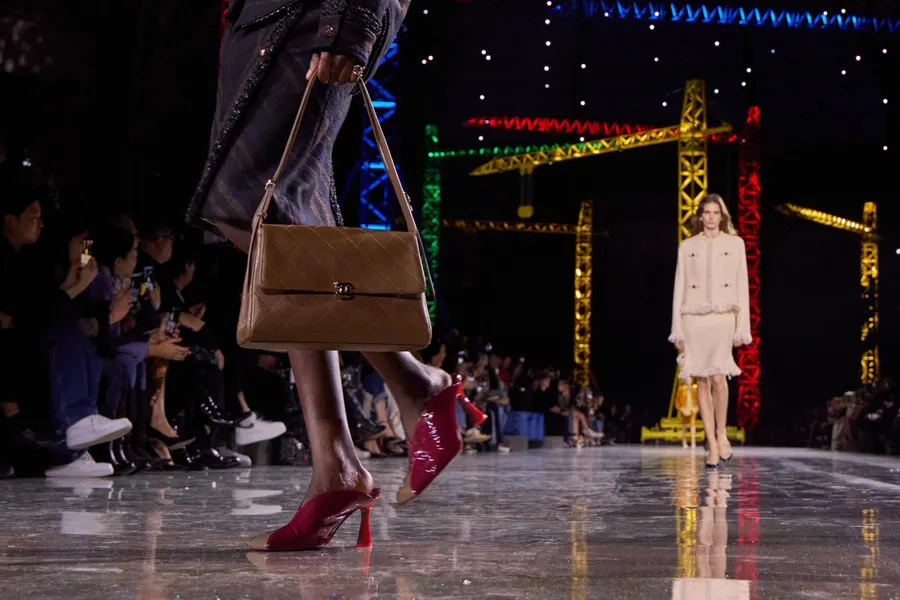
The runways of Paris Fashion Week have signaled a definitive departure from the diminutive accessory trends that have dominated the luxury sector for the past half-decade. In a decisive pivot that carries significant implications for global retail inventories and manufacturing pipelines, the world’s leading fashion houses have collectively embraced the “maxi-bag.” This transition from the purely ornamental micro-bag to high-capacity, functional carryalls marks a significant shift in consumer psychology and brand positioning. As the industry moves away from the “Le Chiquito” era of microscopic proportions, the focus has returned to the intersection of high-concept design and tangible utility. This report analyzes the economic drivers, operational challenges, and market sentiment behind the return of the oversized bag.
Macro-Economic Drivers and the Evolution of Professional Utility
The return of the large-format handbag is not merely a cyclical aesthetic whim but a direct response to the evolving lifestyle of the global luxury consumer. Following several years of market volatility and shifting work-life paradigms, there is a burgeoning demand for “investment pieces” that provide functional value. The current macroeconomic climate has encouraged a “buy less, buy better” mentality, where consumers are increasingly prioritizing versatility. A large bag, capable of housing a laptop, fitness apparel, and personal essentials, aligns with the requirements of a mobile, professional demographic that has moved past the sedentary constraints of the early 2020s.
Furthermore, the “Quiet Luxury” movement continues to exert its influence over product development. The oversized bags seen in Paris prioritize silhouette and material quality over overt branding. By offering products that serve a dual purpose as both a fashion statement and a logistical necessity, luxury houses are tapping into a more pragmatic consumer base. This shift suggests that the industry is moving toward a period of sustained utility, where the “it-bag” status is conferred upon items that can withstand the rigors of a commute or international travel, rather than those that serve only as a visual accent for social media photography.
Operational Implications: Material Scarcity and Manufacturing Complexity
From a manufacturing and supply chain perspective, the transition to larger leather goods presents a distinct set of challenges for luxury conglomerates. The production of a maxi-bag requires significantly more raw material,high-grade calfskin, suede, or exotic leathers,than its micro predecessors. This increase in material consumption arrives at a time when the luxury supply chain is already under pressure from rising costs in tanneries and a heightened focus on ethical sourcing. Brands must now secure larger, flawless hides to ensure the structural integrity and aesthetic consistency of these expansive surfaces, as larger panels are more susceptible to visible imperfections.
In addition to material costs, the engineering of these bags requires specialized craftsmanship. A large bag must be designed to distribute weight effectively without losing its shape or compromising the comfort of the wearer. This necessitates advanced internal reinforcement and higher-quality hardware, such as reinforced stitching and heavy-duty zippers, which increases the complexity of the assembly line. For many heritage brands, this shift represents a return to their roots in trunk-making and artisanal leatherwork, allowing them to justify higher price points through the lens of superior craftsmanship and increased material volume.
Market Segmentation and the Decline of the “Micro-Trend”
The pivot observed at Paris Fashion Week suggests a calculated move to stabilize retail margins by catering to a more mature and affluent market segment. While micro-bags were highly effective at capturing a younger, entry-level luxury consumer via lower price points and viral marketing, they often lacked the longevity required for long-term brand loyalty. By contrast, the maxi-bag is positioned as a staple of a permanent wardrobe. Retailers are expected to adjust their inventory allocations accordingly, pivoting away from the high-turnover “fast luxury” items toward more substantial, high-margin inventory.
Market data indicates that the resale value of functional luxury goods tends to remain more stable than that of novelty items. As consumers become more aware of the secondary market, the “utility factor” becomes a key metric in the purchasing decision. Brands like Saint Laurent, Loewe, and The Row have capitalized on this by introducing silhouettes that feel both contemporary and timeless. This strategic alignment suggests that the industry is preparing for a period where value is defined by the physical substance and practical application of the product, rather than its proximity to a passing digital trend.
Concluding Analysis: The Future of Luxury Carryalls
The dominance of the oversized bag at Paris Fashion Week serves as a bellwether for the broader luxury industry’s trajectory. It represents a move toward “pragmatic extravagance,” where the value proposition is rooted in the fusion of form and function. As we move into the next fiscal year, expect to see a stabilization of this trend as brands refine their offerings to balance weight, durability, and aesthetic appeal. The oversized bag is no longer a niche alternative but the new standard for the modern consumer who demands that their high-value investments keep pace with their multifaceted lives.
Ultimately, the success of the maxi-bag will depend on the ability of brands to maintain the “aspiration” factor while delivering on the promise of daily utility. For the luxury sector, this is an opportunity to re-engage with the core principles of quality and longevity, potentially ushering in a new era of sustainable growth driven by products that are as useful as they are beautiful. The runways have set the stage; the market must now respond to a world where “bigger” is not just better, but essential.