

The Economics of Emotion: Analyzing the ‘Love Is Blind’ Season 10 Finale and Its Impact on the Streaming Landscape
By Senior Business Correspondent | Updated October 2024

Netflix’s flagship unscripted series concludes its tenth cycle, driving massive engagement and subscriber retention. (Source: Forbes/Netflix)
In the high-stakes arena of unscripted content, few intellectual properties have demonstrated the enduring market dominance of Netflix’s “Love Is Blind.” As the Season 10 finale reaches global screens, the series once again confirms its status not merely as a cultural phenomenon, but as a cornerstone of the streaming giant’s retention strategy. The finale, which serves as the culmination of weeks of algorithmic dominance, delivers the high-variance outcomes,ranging from legally binding unions to high-profile collapses,that have become the show’s trademark “emotional currency.”
For Netflix, the success of this season represents more than just social media impressions; it is a masterclass in cost-efficient production. By leveraging the “pods” format, the network maximizes dramatic output while maintaining a controlled production environment, a strategy that continues to yield a high Return on Investment (ROI) compared to scripted dramas of similar viewership scale.
The Marriage Dividend: Success Rates and Brand Longevity
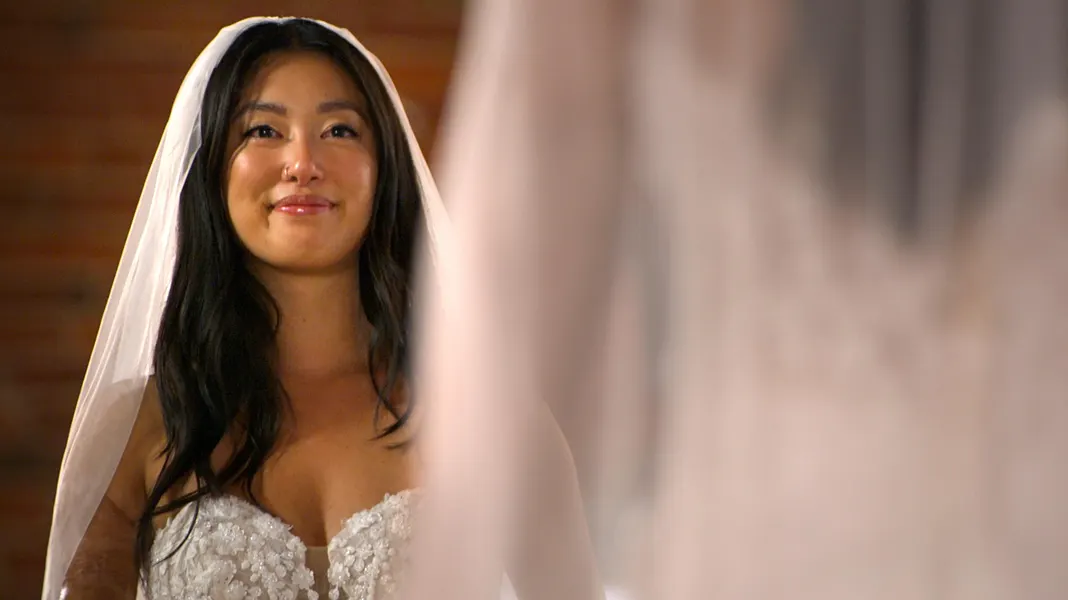
The Season 10 finale saw a surprising uptick in successful “I dos,” a metric that is critical for the franchise’s credibility. In a market saturated with “fast-fashion” romance shows, Love Is Blind distinguishes itself by the legal finality of its conclusions. This season, three out of the five featured couples followed through with their vows, providing the “aspirational” content necessary to sustain the brand’s long-term viability.
From a business perspective, these successful marriages provide a pipeline for future content, including spin-offs like “After the Altar.” These unions represent a “compounding interest” for the network, as the lives of these couples are monetized across multiple platforms long after the credits roll. The stability of these relationships serves as a benchmark for the show’s social experiment premise, ensuring that the audience remains invested in the potential for a legitimate outcome.
Market Volatility at the Altar: The Cost of a ‘No’
While marriages build the brand, the “breakups at the altar” generate the immediate viral volatility required to dominate the 24-hour news cycle. This season featured two dramatic rejections that sparked immediate discourse across social media platforms. For Netflix, these moments of conflict act as a powerful organic marketing tool. The “at-the-altar” rejection is a high-risk, high-reward mechanism that ensures the finale remains a “must-watch” event, preventing the churn of casual viewers.
Analysts note that the psychological tension of the finale is a calculated aspect of the show’s architecture. The uncertainty surrounding each couple’s decision mirrors the volatility of the attention economy. By keeping the definitive outcomes behind a paywall until the final hour, Netflix effectively incentivizes subscriber loyalty and discourages passive viewing habits.
Post-Production Valuations: The Road to the Reunion
As the dust settles on the wedding venues, the focus shifts to the “secondary market” of the Love Is Blind ecosystem: the reunion special. Ahead of this highly anticipated broadcast, the status of the Season 10 couples remains under tight non-disclosure agreements (NDAs), maintaining the “valuation” of the upcoming reunion episode. Early indicators suggest that while some married couples have thrived, others have faced the typical headwinds of post-production reality.
The participants themselves are now entering the “influencer phase,” where their social media followings act as liquid assets. For many, the conclusion of the show is merely the launchpad for personal brand monetization, ranging from podcasting deals to brand partnerships. This ancillary economy further solidifies the show’s importance within the broader entertainment industry.